

What does it mean to match replacement shingles?
Matching replacement shingles means choosing new roofing materials that blend as closely as possible with the existing roof in color, texture, size, profile, and weathered appearance. A close match can make a small repair less noticeable, but an exact match is not always possible, especially when the original shingles are older or discontinued.
For homeowners in Selkirk, NY, the goal is usually to make a repair look consistent while maintaining proper weather protection. The most reliable approach is to compare several details rather than relying on color alone.
Why is matching shingles more difficult than it appears?
A shingle described as “weathered gray,” “brown,” or “charcoal” can look very different depending on lighting, roof slope, age, and surrounding materials. New shingles also tend to have sharper color variation than older shingles that have been exposed to sun, rain, snow, ice, and airborne debris.
Several factors make matching difficult:
- Aging: Asphalt shingles gradually fade and lose some of their original contrast.
- Weather exposure: South- and west-facing roof sections may weather differently from shaded slopes.
- Manufacturing changes: A manufacturer may alter color blends, dimensions, or surface granules over time.
- Different production batches: Even shingles with the same name may vary slightly between manufacturing runs.
- Roofing style: Architectural shingles have a dimensional profile that may not blend with older three-tab shingles.
- Lighting: A sample viewed on the ground may look different once installed on a sloped roof.
A replacement shingle can be the correct labeled color and still appear noticeably different after installation.
Which details should be compared first?
The shingle type and profile should be identified before comparing color. A color match is not useful if the replacement has a different shape or thickness.
Check these characteristics:
Shingle style
Common asphalt shingle types include:
- Three-tab shingles: Flat, uniform tabs with a repetitive appearance.
- Architectural shingles: Layered or laminated shingles with a more dimensional pattern.
- Luxury or premium shingles: Heavier materials designed to imitate slate, wood, or other roofing styles.
The replacement should generally have the same basic construction as the existing roof. Mixing three-tab and architectural shingles on the same visible slope usually produces an obvious difference.
Shingle dimensions
Measure the exposed portion and overall size of an existing shingle if a loose or removed piece is available. Differences in width, height, and tab placement can affect alignment and create uneven courses.
Surface texture
Look at the pattern of granules and the amount of shadow created by the shingle profile. Two shingles may share a similar color but have different textures, making the repair stand out in changing sunlight.
Color blend
Many modern shingles contain several blended tones rather than one solid color. Compare the dominant color, secondary flecks, and overall contrast from a distance.
Where can the original shingle be identified?
The most useful evidence often comes from leftover materials stored after the original roof installation. An unopened bundle, package label, or small stack of spare shingles may identify the manufacturer, product line, color name, and sometimes the production period.
Other sources of information include:
- Receipts or records from the original roof installation
- Home maintenance files
- A visible product label in an attic or garage
- An unused shingle found beneath an eave or behind stored materials
- Photographs taken shortly after the roof was installed
- Manufacturer markings on the underside of a loose shingle
A roof inspection may also help identify whether the shingles are three-tab, architectural, or another type. However, product identification becomes harder as labels fade and product lines change.
Can new shingles match an older roof exactly?
Usually, no. New shingles can often be selected to coordinate closely, but they rarely duplicate the exact appearance of an older roof because the existing shingles have changed over time.
A practical comparison should be made under several conditions:
- In direct sunlight
- In shade
- From the ground
- From the same viewing distance used to see the roof
- Against the surrounding roof area rather than against a clean sample board
A small sample may look acceptable up close but appear too dark, too bright, or too patterned once placed among several rows of weathered shingles.
This difference is most noticeable on highly visible roof planes, front-facing gables, and areas near dormers or roof edges. Repairs on less visible slopes may be easier to blend.
Should only the damaged shingles be replaced?
Not always. Replacing individual shingles is reasonable when the surrounding roof is in good condition and the damage is limited. If many shingles are cracked, brittle, curling, or losing granules, a small patch may not solve the larger problem.
Before matching materials, check the condition of nearby shingles:
- Are the edges still flexible?
- Do the shingles lie flat?
- Is the adhesive strip still holding?
- Are there bald spots where granules have worn away?
- Are there cracks around fasteners or exposed nail heads?
- Has water entered the roof deck or attic?
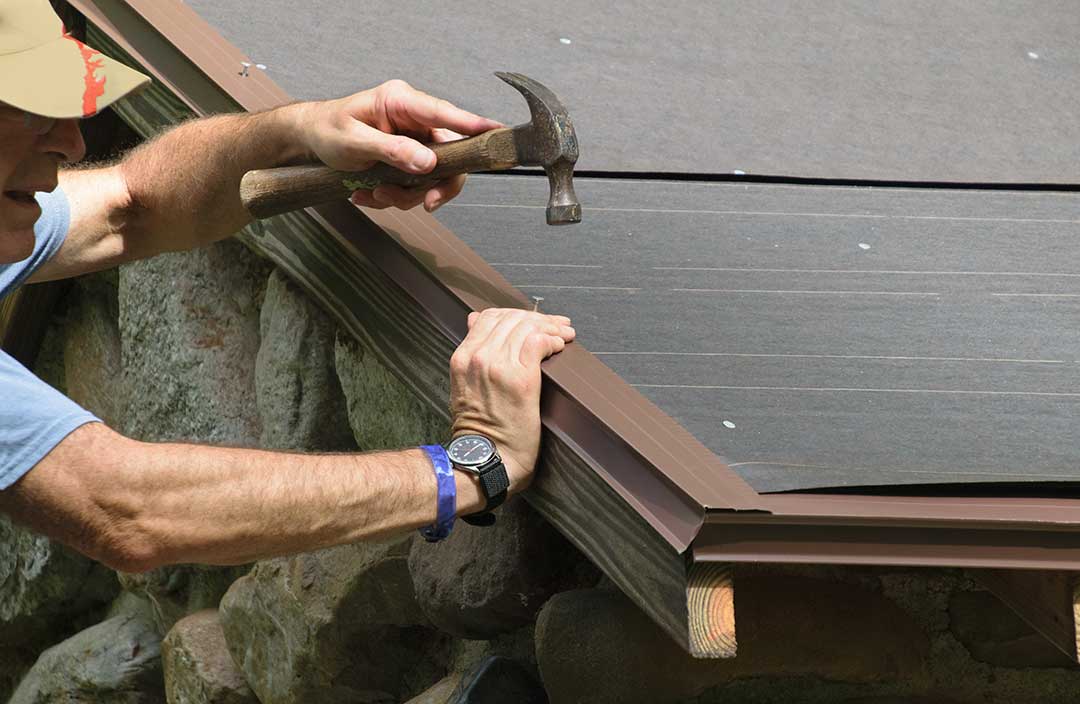
Older shingles can tear during removal, particularly after repeated freeze-thaw cycles. In Selkirk, NY, seasonal changes involving snow, ice, wind, and temperature swings can place additional stress on aging asphalt roofing. A replacement may therefore require careful handling even when the visible damage appears minor.
What if the original shingles are discontinued?
If the original product is no longer available, the closest alternative should be selected by comparing construction and appearance in this order:
1. Shingle type and profile
2. Dimensions and tab layout
3. Thickness and shadow line
4. Color blend
5. Granule texture
6. Manufacturer or product family, when known
A discontinued shingle may sometimes be found through reclaimed supplies or unused stock, but older materials can be brittle or have been stored improperly. Material condition matters as much as color.
If no close match exists, replacing a larger, visually defined section may create a more balanced appearance than scattering noticeably different shingles across the roof. That decision depends on roof design, material condition, and the extent of the damage.
How should shingles be compared before installation?
A useful comparison involves placing the candidate shingle beside the existing roof, not merely holding it indoors. The sample should be viewed from several angles and distances.
Look for:
- Differences in overall darkness or lightness
- A noticeable change in the pattern of color flecks
- A different amount of visible shadow
- Uneven alignment with existing tabs
- A change in the apparent roof texture
- Color variation between sunny and shaded areas
If possible, compare more than one bundle. Color variation within a product is normal, and a single shingle may not represent the appearance of the entire bundle.
What installation details affect the final appearance?
Even a well-matched shingle can look wrong if it is installed with a different exposure or alignment. The replacement should follow the existing course pattern and manufacturer requirements.
Important details include:
- Matching the existing horizontal exposure
- Aligning tabs or laminated patterns with neighboring shingles
- Using compatible roofing nails in the proper locations
- Preserving underlayment and flashing where they remain sound
- Avoiding excessive lifting of surrounding shingles
- Sealing exposed fasteners and vulnerable edges where appropriate
A patch that is slightly misaligned may draw more attention than a modest color difference. Roofing materials also need to remain watertight, so appearance should never take priority over correct installation.
When is a visual match less important than broader repair?
A close color match is secondary when the roof has widespread deterioration, active leaking, damaged flashing, or a weakened deck. In those circumstances, focusing only on the visible shingle may leave the underlying water-entry problem unresolved.
Safety also matters. Roof work becomes hazardous during wet, icy, windy, or cold conditions, and older roofs may contain brittle materials that break unexpectedly. Walking on steep or damaged sections can cause injury and worsen the roof. Conditions that involve structural damage, attic moisture, or difficult access may require qualified assistance for safe evaluation.
Matching replacement shingles is therefore both a materials question and a roof-condition question. The best result comes from identifying the original shingle style, comparing samples in natural light, accounting for weathering, and confirming that the surrounding roof can still support a durable repair.
