

What Common Missteps Occur During Roof Repairs in Selkirk, NY?
Many homeowners in Selkirk attempt roof repairs themselves or hire help without a clear understanding of typical pitfalls. The region’s fluctuating weather, roof aging factors, and mixed housing stock make some errors more frequent in this community than others. Mistakes can lead to leaks, recurring damage, or even voided warranties. Knowing what to avoid helps keep homes safe and dry, especially through the humid summers and icy winters seen in Selkirk.
Are Shingle Replacements Being Done Incorrectly?
Incorrect shingle replacement is one of the most widespread roof repair errors in the area. Residents sometimes think swapping out a damaged shingle is straightforward, but mistakes here can have lasting effects:
- Nailing issues: Misplaced or improperly driven nails may cause new shingles to lift in strong Selkirk winds, leading to further water intrusion.
- Overlapping problems: Failing to align replacement shingles with existing ones creates gaps, making the roof prone to moisture and ice penetrations.
- Mixing new with old: Choosing shingles that don’t match the age, type, or manufacturer’s specs can leave those spots vulnerable to early failure, particularly in older Selkirk homes where discontinued shingle types are common.
Double-checking nailing patterns and shingle fit to match existing materials is essential for lasting repairs.
Why Is Flashing Often Overlooked or Improperly Sealed?
Flashing is meant to direct water away from roof joints, chimneys, and vents. Many local homeowners underestimate the importance of properly installed and sealed flashing, especially because older homes in Selkirk often have unique roof features or multiple rooflines.
- Relying only on sealants: Some repairs use heavy caulking instead of addressing damaged or loose metal flashing. Caulk may crack from temperature cycles, especially with Selkirk’s freeze-thaw patterns, causing leaks to reappear.
- Incompatible materials: Mixing metals (like aluminum with copper) leads to corrosion over time, an issue rarely considered in rushed fixes.
- Not extending flashing far enough: Flashing that doesn’t fully overlap shingles or siding is especially vulnerable during heavy local rains.
Proper flashing installation and inspection play a crucial role in roof longevity.
How Do Poor Weather Judgments Affect Repair Outcomes?
Trying to complete repairs during the wrong weather can have lasting impacts. Although some local residents are eager to fix leaks as soon as they’re spotted, Selkirk’s variable conditions—spring rains, hot summers, or surprise autumn cold snaps—demand strategic timing.
- Repairing during wet weather: Patching or replacing materials when the roof is even slightly damp limits adhesion of sealants, underlayment, and shingles.
- Ignoring temperature recommendations: Most roofing products must be installed within certain temperature ranges. Working during hot periods (above 85°F) may soften asphalt shingles, while installing below freezing hinders sealing and increases the risk of cracking.
Allowing time for the roof to dry fully and choosing the right time of day can make a significant difference in the effectiveness of repairs.
What Happens When Underlayment Is Neglected?
Underlayment, the thin layer beneath shingles, is a home’s true last defense against leaks. Occasionally, minor repair efforts focus only on the visible surface. Skipping the inspection or replacement of underlayment—especially after storm or ice damage, both common in Selkirk—allows hidden problems to worsen.
- Trapping moisture: Old or punctured underlayment can trap water between layers, growing mold or causing rot undetected.
- Missed ice damming repairs: In colder periods, Selkirk roofs can develop ice dams that soak the underlayment. Not replacing damaged sections may leave homes vulnerable the following season.
Peeling back layers and checking for hidden underlayment issues catches problems before they become expensive structural repairs.
Are Shortcuts Being Taken with Fasteners and Materials?
Roof repairs sometimes cut costs or time with the wrong nails, screws, or patch materials. While this may seem efficient, it’s a leading source of callbacks and ongoing damage in local homes.
- Wrong fastener types: Some homes in Selkirk, especially near wooded areas, have unique decking or sheathing that needs specific fasteners for a secure hold.
- Underestimating wind exposure: Using minimal fasteners or the wrong size leaves new materials vulnerable to the region’s periodic windstorms.
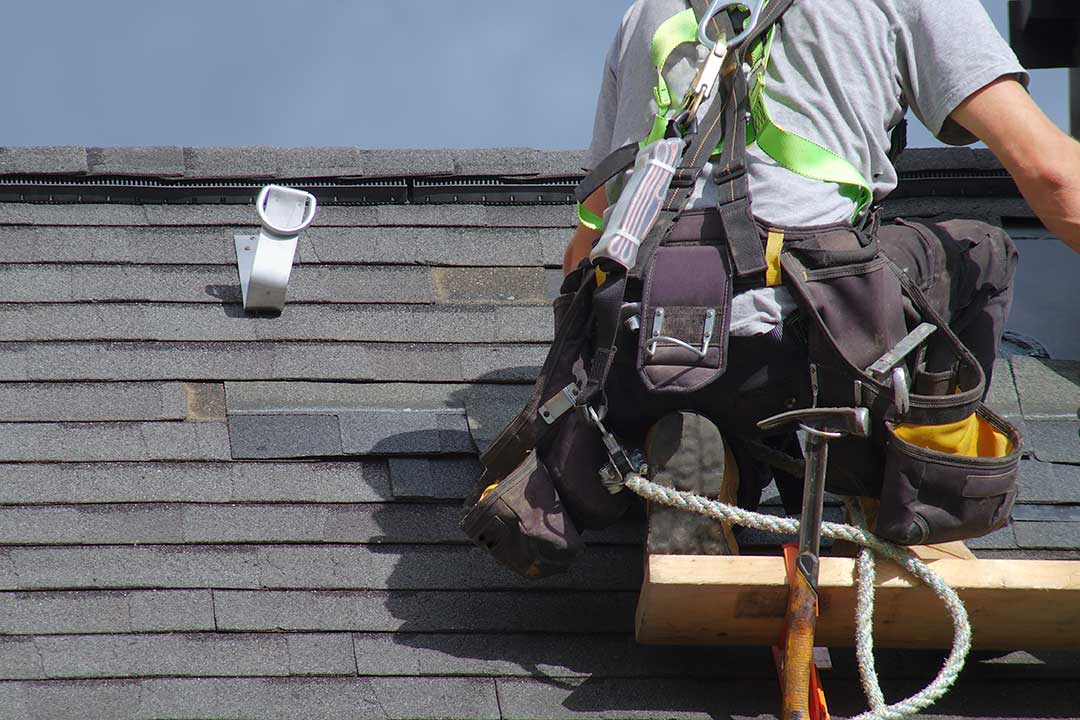
Consulting manufacturer specs or local building codes for approved fasteners and patch materials helps repairs last much longer.
Is Roof Ventilation Being Ignored During Repairs?
While it can be tempting to address only the apparent leak or missing shingle, many roofing issues in Selkirk are compounded by poor ventilation. Blocked, missing, or improperly fitted vents can allow heat and humidity to build up in attics.
- Trapped moisture: Especially in Selkirk’s climate, inadequate ventilation allows moisture to linger, feeding mold and wood rot during humid months.
- Premature shingle failure: Without airflow, even new shingles can curl or deteriorate quickly in hot or sunny weather.
When tackling repairs, local residents benefit from checking vent openings, baffle placement, and insulation coverage as part of the process.
Could Not Matching Ridges and Valleys to Local Roof Styles Cause Problems?
Selkirk homes feature a mix of ridges, valleys, and unique roof transitions. Repairs that don’t match the original roof construction or fail to account for dominant water flow patterns can backfire.
- Improper valley shingle pattern: Valleys bear much of the runoff from rainfall or melting ice. Layup mistakes leave vulnerable paths for leaks.
- Incorrect ridge cap installation: Inconsistent overlap or nailing can allow wind-driven rain into attic spaces.
Understanding how water and snow move across local roofs—especially with the area’s annual freeze-thaw cycles—improves repair success and helps homeowners maintain dry, healthy attics.
Does Overlooking Gutter and Drainage Issues Contribute to Recurring Problems?
Even well-done patchwork can fail if the root cause—improper drainage—remains unaddressed. In Selkirk, leaf buildup and seasonal pollen commonly clog gutters, backing up water beneath shingles or flashing.
- Ignoring connected problems: Focusing only on the leak inside sometimes misses sagging gutters or downspouts that overflow during storms.
- Neglecting splash zones: Water pooling at the edges of roofs may signal worn underlayment or improper gutter pitch.
Regular checks and cleaning help ensure that repairs truly resolve leaks, rather than just mask symptoms temporarily.
