
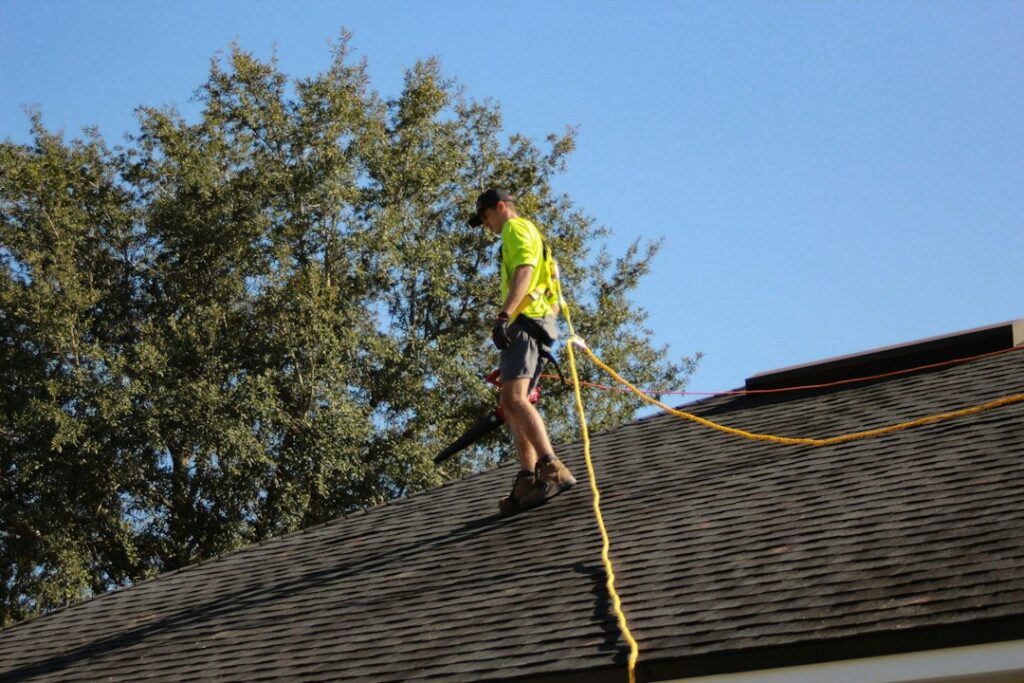
Roof maintenance is easier and safer when the right tools are used for the task. For most homeowners, the essential equipment includes inspection tools, cleaning tools, basic hand tools, protective gear, and a reliable way to document changes over time.
In Selkirk, NY, seasonal weather can make roof checks especially useful. Snow, ice, wind, falling branches, heavy rain, and summer heat can gradually affect shingles, flashing, gutters, and roof drainage. The goal of routine maintenance is not to perform major repairs from a ladder. It is to spot developing problems early and handle simple ground-level tasks safely.
Which tools are most useful for routine roof maintenance?
A basic roof-maintenance kit should help with inspection, drainage, light cleaning, and safe access. It does not need to include specialized roofing machinery.
Useful items include:
- A sturdy extension ladder with stabilizing accessories
- Slip-resistant work shoes
- Work gloves with a good grip
- Safety glasses
- A flashlight or headlamp
- Binoculars
- A tape measure
- A camera or smartphone
- A small pry bar
- A hammer
- A utility knife
- A caulk-removal tool
- A plastic roof rake for snow
- A gutter scoop or narrow hand scoop
- A soft-bristle brush
- A bucket or debris bag
- A garden hose with a spray nozzle
These tools serve different purposes. Binoculars and a camera allow many observations from the ground. A ladder may be useful for inspecting gutters or accessing a low roof edge, but climbing onto the roof introduces much greater risk.
How can binoculars and a camera help?
Binoculars are among the most valuable roof-inspection tools because they allow residents to examine roof surfaces without walking on them. From the ground, look for missing or lifted shingles, exposed underlayment, damaged flashing, sagging areas, clogged valleys, and unusual dark patches.
A camera provides a record that can be compared after storms or from season to season. Take photographs from several angles, including:
- Roof edges and eaves
- Chimney or vent flashing
- Valleys where roof sections meet
- Areas beneath overhanging trees
- Gutter joints and downspout outlets
- Ceiling areas below attic or roof penetrations
Photos are particularly helpful when a change is subtle. A single lifted shingle may be difficult to remember, while two images taken months apart can reveal whether a condition is stable or worsening.
What ladder equipment improves safety?
A ladder should stand on firm, level ground and extend above the roof edge when access to a low roof is genuinely necessary. Ladder stabilizers or stand-off arms can help keep the rails away from gutters and provide a more secure setup.
Important accessories include:
- Ladder levelers for uneven ground
- A stabilizer designed for the ladder model
- A tool belt or small ladder tray
- Non-slip footwear
- A spotter when the ladder is being positioned or used
Never carry large tools in both hands while climbing. A tool belt, hoist line, or bucket can keep hands available for climbing. Avoid ladder use during rain, high wind, icy conditions, or when surfaces are wet from dew.
A ladder is not a substitute for roof-walking equipment. Steep slopes, fragile shingles, moss, frost, and snow can make a roof hazardous even when it appears dry from the ground.

Which hand tools are helpful for minor maintenance?
Basic hand tools are useful for inspection and limited preparation work. A tape measure can document the size of a damaged area. A flashlight can reveal moisture staining in an attic or dark spaces around roof penetrations. A pry bar and utility knife may help remove loose debris or deteriorated material during a repair that is already understood.
A hammer is useful for small household tasks, but using it on roofing materials without knowing the correct fastening method can create additional damage. Roofing nails that are misplaced, overdriven, or left exposed may allow water to enter.
A caulk-removal tool can help identify failed sealant around flashing. Sealants are not a permanent solution for every leak, and adding new material over old, cracked, or wet surfaces can conceal the actual problem.
What tools are safest for gutters and downspouts?
Gutters are part of the roof drainage system, so keeping them clear can reduce overflow near fascia boards, siding, foundations, and entryways. A gutter scoop, gloves, a bucket, and a garden hose are usually sufficient for routine cleaning.
After removing leaves and sediment, flush the gutter with a hose. Watch for water that backs up, leaks through seams, or fails to flow toward the downspout. At ground level, verify that downspout outlets direct water away from the foundation.
Avoid leaning an unsecured ladder directly against a gutter. The gutter may bend or pull away from the fascia. Gutter-cleaning tools with extended handles can reduce ladder use, although they may not provide a clear view of hidden blockages.
Is a roof rake necessary during snowy weather?
A roof rake can be useful after substantial snowfall, particularly on lower roof sections that can be reached from the ground. A plastic rake with a long handle is generally less likely to damage shingles than a metal tool.
Snow should not be pulled from a roof by climbing onto it. Falling snow and ice can injure people, damage shrubs, block exits, or overload a porch or lower roof. Keep people and pets away from the area below while using a roof rake.
Do not chip ice aggressively from shingles or flashing. Ice removal can tear roofing materials and loosen protective granules. Repeated ice buildup near eaves may indicate ventilation, insulation, drainage, or heat-loss conditions that require a broader evaluation.
What protective equipment should be kept on hand?
Personal protective equipment is not limited to hard hats. A practical maintenance kit may include:
- Cut-resistant work gloves for handling sharp metal and debris
- Safety glasses when brushing, scraping, or using a hose
- A dust mask when cleaning dry attic insulation or accumulated debris
- Knee pads for limited work on stable, low-slope surfaces
- High-visibility clothing when working near driveways or road edges
- A first-aid kit stored nearby
Never use power tools on a roof unless the operator is trained, the surface is stable, and fall protection is appropriate. Leaf blowers, pressure washers, and abrasive brushes can remove protective granules or force water beneath shingles and flashing.
Which tools should homeowners avoid using on the roof?
Pressure washers, metal snow shovels, stiff wire brushes, and improvised climbing equipment can damage roofing materials. They can also create slip, fall, or electrical hazards.
Walking on asphalt shingles can loosen granules and bend or crack older materials. Walking on brittle roofing during cold weather is especially risky. Roof surfaces may also be slippery from frost that is difficult to see from the ground.
For many maintenance questions, the safest tool is observation from the ground. If the roof is steep, damaged, icy, structurally unstable, or difficult to access, staying off it is the appropriate decision. Conditions involving active leaks, sagging, exposed decking, storm damage, or damaged electrical equipment require specialized evaluation rather than routine homeowner maintenance.
How should roof-maintenance tools be stored?
Store ladders upright or securely supported, away from children and vehicle paths. Keep hand tools dry to prevent rust, and inspect ladder feet, stabilizers, gloves, and roof-rake attachments before each season.
A simple maintenance log can include the inspection date, weather conditions, photographs, observed changes, and gutter-cleaning dates. This record helps distinguish ordinary seasonal debris from damage that is expanding.
For households in Selkirk, seasonal checks are most practical after winter, following strong wind or heavy rain, and before periods when leaves or snow may place additional demands on roof drainage.
