

Cool roofs are designed to reflect more sunlight and absorb less heat than conventional dark roofing materials. For homes in Selkirk, NY, this can improve summer comfort, reduce cooling demand, and help moderate roof temperatures, although the value depends on the roof type, insulation, ventilation, shade, and household energy use.
What is a cool roof?
A cool roof uses a surface that reflects a greater portion of sunlight and releases absorbed heat more efficiently. Roof color can contribute, but color alone does not determine whether a roof is cool. Some light-colored materials are reflective, while specially designed darker materials may also provide improved solar performance.
Cool roofing may include:
- Reflective asphalt shingles
- Light-colored metal roofing
- Reflective membranes for low-slope roofs
- Coatings applied to certain existing roof surfaces
- Roof assemblies that combine reflective materials with adequate insulation and ventilation
Two characteristics are especially relevant: solar reflectance and thermal emittance. A roof with higher solar reflectance sends more sunlight away from the building. A roof with higher thermal emittance releases heat instead of holding it near the roof surface.
How can a cool roof make a home more comfortable?
A cool roof reduces the amount of solar heat transferred through the roof deck and attic. This can be especially noticeable in upper-floor rooms, finished attics, and bedrooms directly below the roof.
During sunny summer weather, conventional dark shingles can become substantially hotter than the surrounding air. A more reflective roof generally stays cooler, which may help:
- Reduce afternoon heat buildup in upper rooms
- Improve comfort during heat waves
- Reduce the amount of work required from air-conditioning equipment
- Make rooms more comfortable when air conditioning is limited or unavailable
The benefit is usually greatest on homes with a large, sun-exposed roof, limited shade, modest attic insulation, or occupied rooms directly beneath the roof. A well-insulated attic may already limit heat transfer, so the improvement from changing the roof surface alone may be more modest.
Can a cool roof lower energy bills?
It can, particularly during periods when air conditioning is operating heavily. By reducing heat entering the home, a cool roof may lower cooling demand and help an air-conditioning system maintain indoor temperature.
Actual savings vary widely. They depend on:
- Roof orientation and slope
- Amount of daily sun exposure
- Roof color and material
- Attic insulation levels
- Air sealing around the attic
- Ventilation design
- Size and efficiency of the cooling system
- Household thermostat settings and occupancy
In a climate with both heating and cooling seasons, the annual result requires some balance. A reflective roof may reduce summer heat gain, but it can also reflect winter sunlight that might otherwise provide a small amount of passive warmth. For many homes, insulation and air sealing have a larger year-round effect on energy use than reflectivity alone.
Are cool roofs useful in a four-season climate?
Yes, but the benefits are seasonal rather than uniform throughout the year. Selkirk experiences warm, humid summer conditions as well as cold weather, snow, and repeated freeze-thaw cycles. That means roof selection should consider both summer heat control and winter durability.
A cool roof is not automatically the best choice for every home. In a house with little air conditioning, summer energy savings may be limited even if indoor comfort improves. In a home with substantial summer cooling demand, the benefit may be more noticeable.
A practical approach is to evaluate the entire roof assembly rather than focusing only on surface color. Insulation, ventilation, moisture control, ice-dam resistance, and weather exposure remain important in a cold-weather region.
Can a cool roof extend roof life?
Lower roof temperatures may reduce some heat-related stress on roofing materials. Repeated heating and cooling cause materials to expand and contract, and reducing extreme surface temperatures may help limit certain forms of aging.
However, a cool roof does not guarantee a longer service life. Durability also depends on:
- Material quality and installation
- Proper flashing around chimneys, walls, and roof penetrations
- Adequate attic ventilation
- Moisture control
- Snow and ice management
- Wind exposure
- Organic growth, debris, and maintenance conditions
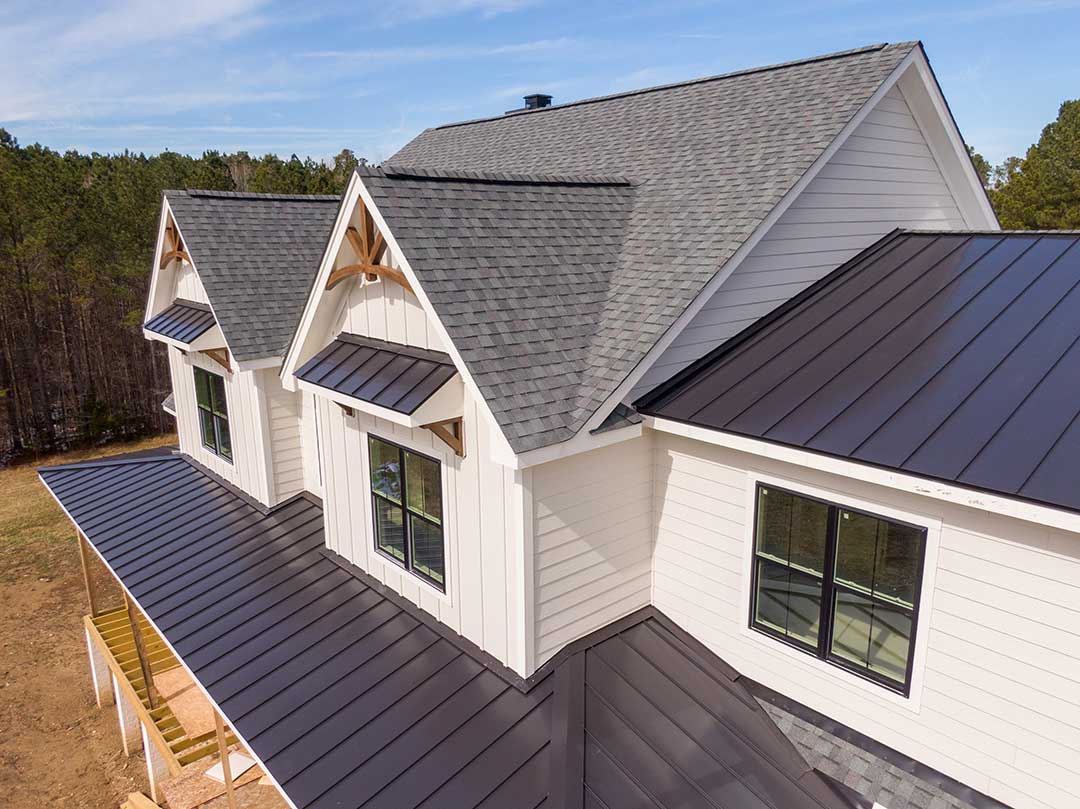
For sloped residential roofs, a reflective surface should be viewed as one part of a durable roofing system, not as a substitute for sound construction or maintenance.
Do cool roofs help during power outages?
A cool roof can slow indoor heat buildup, but it does not keep a home cool indefinitely. It may provide a modest comfort advantage during a summer outage by reducing heat entering through the roof. The result is more noticeable when combined with shade, insulated walls and ceilings, closed blinds, and controlled ventilation.
A reflective roof does not replace emergency cooling planning. During dangerous heat, residents should still use safe cooling locations and follow local public health guidance.
What are the limits and possible disadvantages?
Cool roofs are sometimes described as a universal energy solution, but their value depends on the building. A roof that receives little sunlight may provide limited benefit. A heavily shaded roof, for example, may not heat as much as an exposed roof.
Other considerations include:
- Some reflective surfaces lose performance as dirt, pollen, algae, or weathering accumulate.
- Not every coating is suitable for every roofing material.
- A roof coating cannot correct leaks, deteriorated decking, failed flashing, or poor drainage.
- Reflective materials may produce glare if installed where nearby windows or neighboring properties are affected.
- Surface color and appearance may be subject to neighborhood, architectural, or local requirements.
- A cool roof does not eliminate the need for attic insulation and air sealing.
Roof coatings also require careful preparation and compatibility checks. Applying a coating over a failing roof can hide problems temporarily without solving them.
Is a cool roof better than adding insulation?
Usually, the two measures serve different purposes. A reflective roof limits solar heat absorbed at the exterior surface, while insulation slows heat transfer through the roof assembly in both summer and winter.
For many homes, improving attic insulation and sealing air leaks can provide broader year-round benefits. A cool roof may complement those improvements, especially where summer overheating is a persistent concern.
A useful evaluation asks several questions:
- Are upper rooms excessively hot in summer?
- Is the attic adequately insulated?
- Are air leaks allowing conditioned air into the attic?
- Does the roof receive direct afternoon sun?
- Is the existing roofing material near the end of its service life?
- Is the home primarily cooled with air conditioning, fans, or natural ventilation?
The answers help determine whether reflectivity, insulation, ventilation, or roof replacement should receive the most attention.
What should Selkirk homeowners consider before choosing one?
The most practical time to consider a cool roof is during new construction or planned reroofing, when material choices can be evaluated as part of the complete roof system. The roof should be selected for local snow, wind, moisture, and freeze-thaw conditions as well as summer performance.
Residents should review the roof’s expected reflectivity, durability, maintenance needs, insulation levels, ventilation design, and compatibility with the existing structure. Product claims should be compared carefully because projected energy savings are not the same for every home.
A cool roof can be a sensible part of an efficient, comfortable home, particularly where upper-floor heat and summer cooling demand are concerns. Its strongest results usually come from combining a reflective roof surface with sound insulation, air sealing, ventilation, and proper moisture management.
