
Roof coatings can extend the service life of some roofing systems, but they are not a universal fix. For residents in Selkirk, NY, the right choice depends on the roof’s material, slope, age, drainage, existing damage, and ability to handle repeated freeze-thaw cycles.
A coating is a protective layer applied over an existing roof surface. Depending on the formulation, it may help reduce water penetration, reflect sunlight, seal minor surface defects, or protect roofing materials from weathering. It does not replace a roof that has widespread structural failure or severe deterioration.
What does a roof coating do?
A roof coating forms a continuous layer over the roof surface. Some coatings are designed primarily for waterproofing, while others are intended to reflect heat or protect an underlying membrane from ultraviolet exposure.
Common coating categories include:
- Acrylic coatings: Water-based products that reflect sunlight and are commonly used on suitable low-slope roofs.
- Silicone coatings: Highly water-resistant coatings that may perform well where standing water is a recurring concern.
- Polyurethane coatings: More resistant to abrasion and foot traffic than some alternatives, although preparation and application requirements can be demanding.
- Rubberized or elastomeric coatings: Flexible materials that can expand and contract with changing temperatures.
The coating itself is only one part of the system. Surface cleaning, repairs, primers, application thickness, drainage, and weather conditions all influence the result.
What are the main benefits?
The strongest advantage is that a coating may protect an otherwise serviceable roof without requiring immediate full replacement. This can reduce the amount of tear-off debris and may extend the useful life of the existing roofing system.
Other potential benefits include:
- Improved resistance to water: A properly applied coating can seal small surface imperfections and create a more uniform water-shedding layer.
- Protection from ultraviolet exposure: Reflective coatings can slow surface aging caused by sunlight.
- Reduced surface temperatures: Light-colored coatings may keep a roof cooler during sunny weather, especially on low-slope surfaces with little shade.
- Fewer seams and weak points: A continuous coating can cover certain laps, fasteners, and transitions when those areas are properly prepared.
- Less disruption than replacement: Coating work may involve less noise, debris, and exposure of the building interior than a complete tear-off.
- Potentially longer service life: If the roof deck, insulation, flashing, and drainage system remain sound, a coating may delay replacement.
For area buildings, the ability to reduce water exposure can be useful during periods of heavy rain, wet snow, and repeated temperature changes. However, a coating cannot correct drainage problems or stop water that is entering through failed flashing or concealed structural damage.
What are the drawbacks?
The biggest limitation is that roof coatings are not repairs by themselves. A coating may hide a problem temporarily while damage continues underneath if leaks, wet insulation, deteriorated decking, or failed seams are not addressed first.
Important disadvantages include:
- Limited use on severely damaged roofs: Large blisters, widespread cracking, soft decking, open seams, and extensive leaks usually require more than a surface treatment.
- Preparation is labor-intensive: Dirt, algae, loose material, oil, and existing failed coatings must be removed or stabilized before application.
- Weather sensitivity: Many coatings need dry conditions and a suitable temperature range during installation and curing.
- Standing water concerns: Some coating types tolerate ponding water better than others, but no coating makes poor drainage harmless.
- Future maintenance remains necessary: Small cracks, punctures, edge failures, and clogged drainage points still need attention.
- Thickness affects performance: Applying too little material may lead to premature failure, while excessive application can create curing or adhesion problems.
- Compatibility issues: A coating may not bond properly to every roofing membrane, shingle, metal surface, or previously applied product.
Cold winters also deserve attention. Roof coatings expand and contract as temperatures change. If the underlying roof moves excessively, has trapped moisture, or contains weak seams, the coating may crack, separate, or blister.
Can a roof coating stop an active leak?
Usually, no. A coating may help prevent future water entry after the source of a minor leak has been correctly repaired, but simply covering a wet or leaking area is unreliable.
Water can travel beneath roofing materials before appearing inside the building. The visible stain may be far from the actual opening. Leaks near vents, chimneys, skylights, wall intersections, and roof edges often involve flashing or sealant failures rather than a problem with the broad roof surface.
Before coating, the roof should be dry and the source of any active leak should be identified. Wet insulation or trapped moisture can remain concealed beneath the new surface and cause deterioration even when the roof looks newly sealed.
Which roofs are good candidates?
A roof coating is generally more suitable when the existing system is structurally sound, has adequate drainage, and shows localized rather than widespread damage. Low-slope roofs are often considered because they have broad surface areas, seams, and greater exposure to ponding water than steeply sloped roofs.
Potentially suitable conditions include:
- The roof surface is mostly intact.
- Leaks are limited and repairable.
- The roof deck is dry and stable.
- Flashing and penetrations can be repaired.
- Drains, gutters, and scuppers function properly.
- The existing roofing material is compatible with the selected coating.
- The roof has enough remaining service life to justify the work.
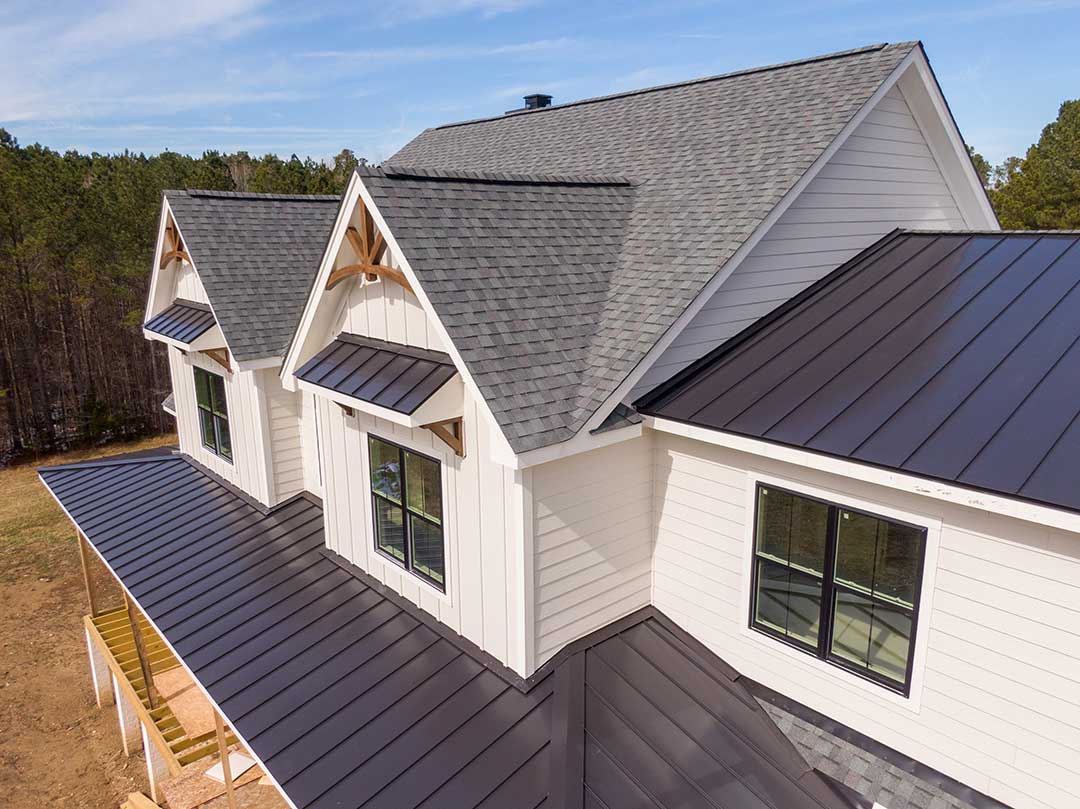
Steep asphalt-shingle roofs are not automatically good candidates for every coating product. Some coatings can interfere with shingle surface features, trap moisture, or create a slippery walking surface. Product instructions and roof-material compatibility matter more than the coating’s label or color.
Is a roof coating cheaper than replacement?
It often costs less initially, but the comparison is not simply coating versus a new roof. The total cost includes inspection, cleaning, repairs, primers, reinforcement at seams, application, and future recoating.
A coating may offer reasonable value when it extends the life of a roof that is otherwise in usable condition. It may be poor value when the roof is near the end of its structural life, has saturated insulation, or needs extensive repairs before the coating can be applied.
The least expensive short-term option can become wasteful if the coating must be removed before replacement or if it conceals damage that later becomes more extensive.
What should property owners check first?
Before making a decision, look beyond the roof’s color or surface appearance. Useful questions include:
- Where has water entered, and has the leak source been confirmed?
- Is the roof deck sound?
- Is moisture trapped below the surface?
- Are seams, flashing, penetrations, and edges intact?
- Does water remain on the roof after rain or melting snow?
- Is the existing surface compatible with the proposed coating?
- What temperature and drying conditions are required?
- How often will inspections and recoating be needed?
- Will the finished surface be slippery or difficult to walk on?
- Are local building or property requirements relevant to the work?
Safety is also a practical concern. Roof surfaces can be slick during application and after rain, frost, or snow. Areas around skylights, roof edges, electrical equipment, and weak decking create additional hazards. Inspection or repair work involving those conditions may require appropriate fall protection and trained personnel.
For Selkirk households, roof coatings can be useful as part of a planned maintenance strategy, particularly on a sound low-slope roof. They are less suitable as a quick cover for active leaks, poor drainage, or serious deterioration. The central question is not whether a coating is generally good or bad, but whether the existing roof is healthy enough for the coating to protect rather than conceal it.
