
Does a New Roof Actually Increase Home Value?
A new roof can add measurable value to a home, but how much depends on a range of local factors. In Selkirk, NY, where weather and seasonal changes deliver everything from heavy snows to strong summer sun, the age and condition of a roof have a real impact on both resale price and buyer interest. Most buyers in this area see an updated roof as a sign that a home has been properly cared for and protected.
A new roof doesn’t always boost home value dollar-for-dollar with its cost, but it often makes a property more appealing on the open market. For many residents, the value is also about peace of mind—eliminating worries about leaks, ice dams, or storm damage in the near future.
How Do Local Weather and Housing Types Play a Role?
In the Selkirk area, roofs experience significant wear from ice, snow, rain, and seasonal temperature swings. Homes built decades ago often face roofing issues sooner than newer construction, especially if earlier materials or ventilation approaches didn’t address regional conditions.
- Roofs in this geography are expected to handle heavy snow loads and ice dams, so buyers pay close attention to their condition.
- Asphalt shingles are common, but some homeowners invest in metal roofs for added durability, particularly with local climate challenges.
- Homes in wooded neighborhoods may deal more with debris and moss, while houses in open areas might face wind-driven rain.
A roof in good shape helps protect against expensive water and structural damage. For many local buyers, a newer roof signals less risk of these headaches and future maintenance costs—both major factors in what someone is willing to pay.
How Much of the Investment Can Homeowners Recoup?
Homeowners in this region typically recover a portion of their roofing investment in resale value. National research shows that a new roof often returns 55%-70% of its cost, but real results vary. In Selkirk, mid-range roof replacements can improve a home’s salability and negotiation leverage—even if the full cost isn’t directly added to the asking price.
Some practical examples:
- If two similar houses are listed side by side and one has a new roof, buyers almost always prefer the one with recent upgrades, sometimes accepting a higher price.
- Older roofs or visible damage usually invite lower offers or requests for credits during sale negotiations.
- Local appraisers may factor in the roof’s age and type when setting property values.
What Are Common Mistakes or Misconceptions?
Homeowners sometimes overestimate how much value a new roof adds. Installing a premium roofing material doesn’t mean buyers will pay above market rates, especially if upgrades are out of sync with other features in the home. Here are some points that often get misunderstood:
- A brand-new roof won’t double a home’s value, but a failing one can significantly lower offers.
- Not all roofing materials are equally valuable in a resale situation; buyers expect roofs suited to the area’s climate more than high-end appearances.
- Visual improvements (like replacing mismatched shingles) help curb appeal, but buyers increasingly ask about ventilation, insulation, and warranties.
What Parts of a New Roof Most Affect Value?
While the finished surface—shingles, tiles, or metal panels—draws the most attention, buyers are becoming more aware of underlying details:
- Good attic ventilation and insulation, crucial for preventing ice dams and managing heating costs.
- Flashing around chimneys, vents, and valleys, which is key to leak prevention in variable weather.
- Modern underlayment materials that add water resistance.
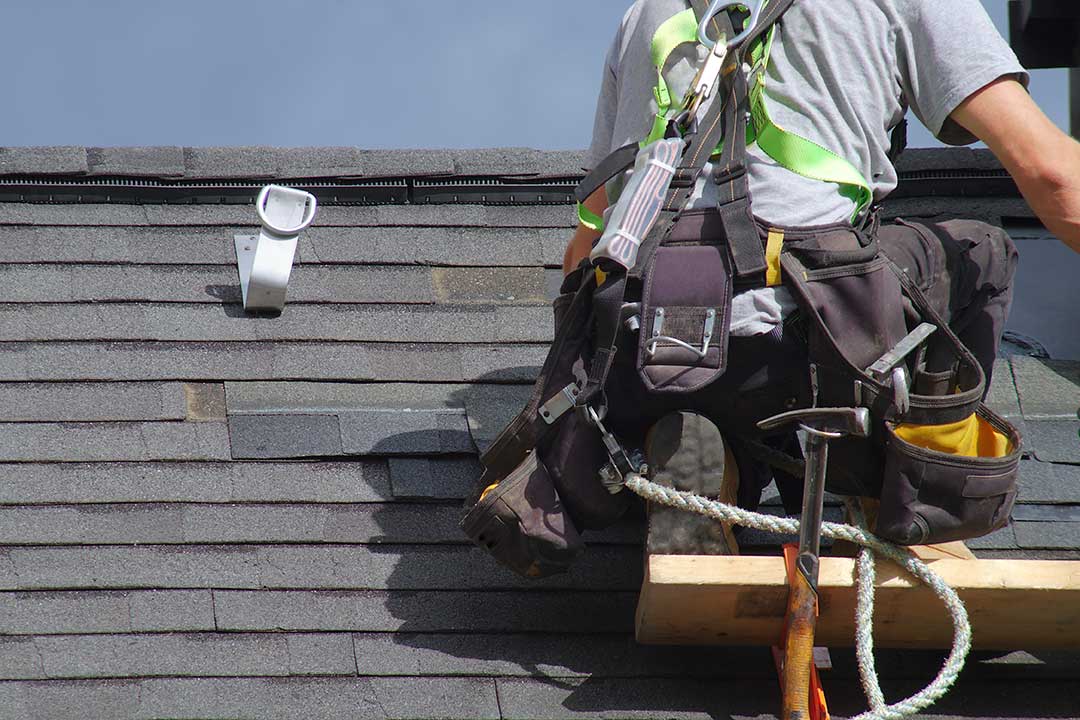
Small details, such as proper installation around skylights or maintaining original rooflines, can tip the scale in favor of a sale. Inspectors and careful buyers in the region often examine these elements, so overlooking them may reduce any positive bump in value.
How Does a New Roof Affect First Impressions and Sale Speed?
A roof is one of the first things people see from the street. In neighborhoods where many homes are of a similar age, a tidy, newer roof can make a home stand out.
- For buyers concerned about insurance or mortgage approval, an older or visibly worn roof can delay or derail a sale.
- Properties with freshly replaced roofs often spend less time on the market, especially during the peak selling seasons when buyers are comparing homes quickly.
- Even if the sale price does not reflect the full replacement cost, reduced negotiation hassle and improved buyer confidence add indirect value.
What Should Homeowners Consider Before Replacing a Roof for Resale?
Replacing a roof purely to boost home value is a major decision. Homeowners in Selkirk should assess:
- The current roof’s age and whether repairs could suffice.
- If neighboring homes have upgraded roofs, which could set buyer expectations.
- Market trends: In a buyer’s market, upgrades can matter more than in a hot seller’s market.
If the roof is near the end of its life or showing signs of chronic issues, replacement is often justified to avoid last-minute sales problems or price reductions. For newer homes, strategic repairs and good maintenance may deliver similar value without the cost of a full replacement.
